Katya Assouad Traboulsi Art, memory, and stories told in color

Katya Assouad Traboulsi

Art, memory, and stories told in color

Latest Articles

Measure Twice, Glare Once: What a Frame Actually Does to a Painting
Studio Practice

Measure Twice, Glare Once: What a Frame Actually Does to a Painting

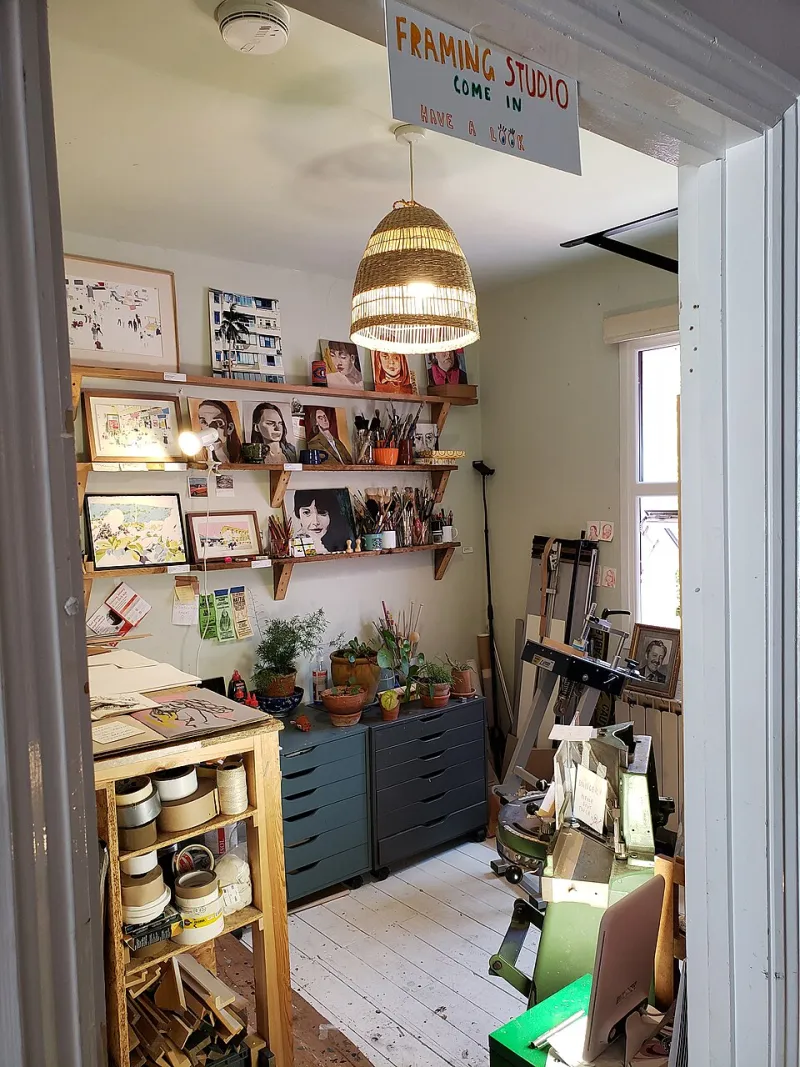
A frame is not a border but an optical instrument, and it begins changing a painting before the viewer has taken a second step. Drawing on rushed deadlines, inexpensive ready-mades, and one strip-mall frame shop that taught proportion better than art school, this field guide considers mats, glass, hanging height, and the discipline of letting a frame disappear.


Ten Rooms, Ten Hues: A Color Chart of American Waiting
Color Studies

Ten Rooms, Ten Hues: A Color Chart of American Waiting

Over a year of painting the places where Americans sit and wait, I collected a palette from urgent care lobbies, driver's license offices, oil-change bays, and hospital corridors. Each hue belongs to a room and to a behavior that the room is quietly trying to manage.

When the Street Keeps Its Own Light: Painting Closed Storefronts After a Storm
Personal Essay

When the Street Keeps Its Own Light: Painting Closed Storefronts After a Storm

For one season I followed the wet sidewalks of small American towns, sketching motel signs, barber poles, and diner windows at the hour after closing. What I found was not nostalgia but civic memory: a street telling the truth about light, commerce, and the people who pass through when nobody is shopping.

Chrome, Oil Stains, and the Quiet Dignity of the Cul-de-Sac: A Season Painting My Street's Driveways
Personal Essay

Chrome, Oil Stains, and the Quiet Dignity of the Cul-de-Sac: A Season Painting My Street's Driveways

For one autumn, I set my easel on the asphalt instead of in the studio, painting the same three driveways as their light changed from September to frost. What began as an exercise in the ordinary became a portrait of three families who never knew they were sitting for me.

Asleep in the Good Chair: The Portrait I Never Planned to Paint
Personal Essay

Asleep in the Good Chair: The Portrait I Never Planned to Paint

A commissioned sitting dissolves into an unplanned nap, and the sleeping subject turns out to be the truest likeness I have ever made. On the difference between painting a face and painting a presence.

Not for Sale, Never Was: The Painting That Anchors Every Other Canvas I Make
Personal Essay

Not for Sale, Never Was: The Painting That Anchors Every Other Canvas I Make

Every artist I know has one work they would refuse to part with at any price. Mine hangs above the radiator in my studio, a small painting of my grandmother's kitchen door, and its refusal to enter the market has quietly governed everything else I make. This is a defense of the unpurchasable.

The Party Is Over and the Room Is Telling the Truth: Why I Paint the Morning After
Personal Essay

The Party Is Over and the Room Is Telling the Truth: Why I Paint the Morning After

Guests remember the toasts; I remember the chairs. An essay on why the abandoned interior — glasses ringed, cushions dented, light gone flat — is the most honest portrait I will ever paint.

The Lightning That Owed Me Nothing: A Week Inside De Maria's Field of Patience
Personal Essay

The Lightning That Owed Me Nothing: A Week Inside De Maria's Field of Patience

I drove to a remote corner of New Mexico to spend one sanctioned night inside Walter De Maria's Lightning Field, watching steel poles and an empty sky. No lightning came. What arrived instead was a reckoning with every painting I have ever abandoned too soon.

Fifty Steps at Dusk: What America's Porch Lights Taught My Palette About Belonging
Personal Essay

Fifty Steps at Dusk: What America's Porch Lights Taught My Palette About Belonging

For fourteen months I drove from state to state painting one porch light scene at dusk, asking strangers to let me sit on their steps with an easel. What I found was that every region of this country mixes its version of warmth differently — and that 'home' changes hue the moment you cross a state line.

Mid-Bark, Mid-Crisis: The Portrait Commission That Refused to Behave
Personal Essay

Mid-Bark, Mid-Crisis: The Portrait Commission That Refused to Behave

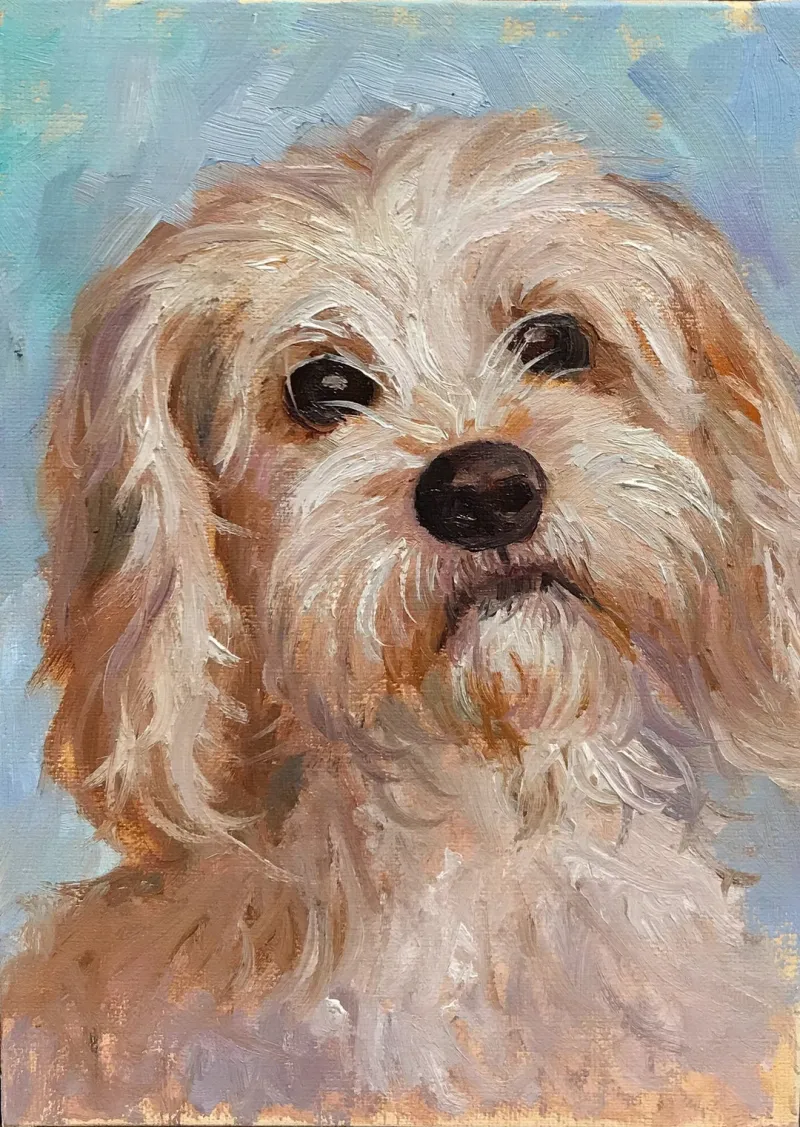
A neighbor asked me to paint her mutt mid-bark, and every professional instinct told me to decline. I said yes anyway, and the painting taught me more about the unspoken contract between artist and client than a decade of polite portraiture ever had.

Aluminum Siding at Six O'Clock: Confessions From a Year of Painting the Suburban Ordinary
Personal Essay

Aluminum Siding at Six O'Clock: Confessions From a Year of Painting the Suburban Ordinary

For twelve months, I turned my easel away from vistas and toward carports, mailbox clusters, and HOA landscaping at golden hour. What the suburbs taught me about beauty is not what I expected.

Seven Kitchens, Seven Radiators, One Body of Work
Personal Essay

Seven Kitchens, Seven Radiators, One Body of Work

Every apartment I have painted in has left a fingerprint on the paintings themselves. A look back at the light, the pipes, and the neighbors of seven rented rooms across America — and what they taught me about making serious work in temporary spaces.

Thirty Faces, No Invoices: What Happened When I Painted Strangers for Free
Personal Essay

Thirty Faces, No Invoices: What Happened When I Painted Strangers for Free

For one month, I offered portrait commissions at no cost to nurses, truckers, and night-shift cooks across America. What I learned about dignity, intimacy, and who gets to own original art changed how I understand my own practice.

The Devotion Economy: What Painting Other People's Beloved Things Taught Me About Love in America
Personal Essay

The Devotion Economy: What Painting Other People's Beloved Things Taught Me About Love in America

For one year, I said yes to every small commission that came my way — a beagle named Gus, a 1967 Mustang, a front porch with a rocking chair that had outlived its owner. What I found in those modest canvases was a portrait of American love more honest than anything I had ever hung in a gallery.

Corrugated Cathedrals: A Year of Trusting My Paintings to the American Postal System
Studio Practice

Corrugated Cathedrals: A Year of Trusting My Paintings to the American Postal System

Without a gallery to handle logistics, I became my own registrar, crate builder, and claims adjuster. Here is what a twelve-month, cross-country shipping education taught me about cardboard, insurance, and letting go.

Ten Years of Settled Paint Dust: The Excavation of a Studio I No Longer Need
Personal Essay

Ten Years of Settled Paint Dust: The Excavation of a Studio I No Longer Need

When the lease ended on the room where I painted for a decade, I expected an afternoon of packing. Instead, I found an archive of who I used to be, written in turpentine rags and grocery receipts.

Four Minutes of Silver: Easel Notes From the Path of Totality
Studio Practice

Four Minutes of Silver: Easel Notes From the Path of Totality

I drove to a Texas field with a folding easel, a limited palette, and the impossible plan to paint a total solar eclipse as it happened. What totality did to my colors—and to my sense of what a painting owes to time—changed my studio practice permanently.

After the Red Dot: Where My Paintings Go When They Stop Being Mine
Personal Essay

After the Red Dot: Where My Paintings Go When They Stop Being Mine

A sold painting does not vanish; it begins a second life in rooms I will never see. Tracing three works to a Brooklyn walk-up, a corporate lobby, and a climate-controlled storage unit, I consider what it means to let a painting become someone else's object.

Ledger in Vermilion: What a Year of Painting on Borrowed Money Actually Costs
Personal Essay

Ledger in Vermilion: What a Year of Painting on Borrowed Money Actually Costs

Between a security deposit and a tube of genuine vermilion, I chose the pigment — again. This is an honest accounting of what one year of materials costs a working painter in an expensive American city, and why the arithmetic of scarcity sometimes sharpens the work instead of starving it.

Before the First Stroke, a Doorbell: In Defense of the Corner Art Store
Studio Practice

Before the First Stroke, a Doorbell: In Defense of the Corner Art Store

The big-box cart and the overnight delivery cannot tell you when your underpainting is too oily. This is an argument for the independent art supply shop — and a portrait of the people who keep theirs open.