Thirty Faces, No Invoices: What Happened When I Painted Strangers for Free
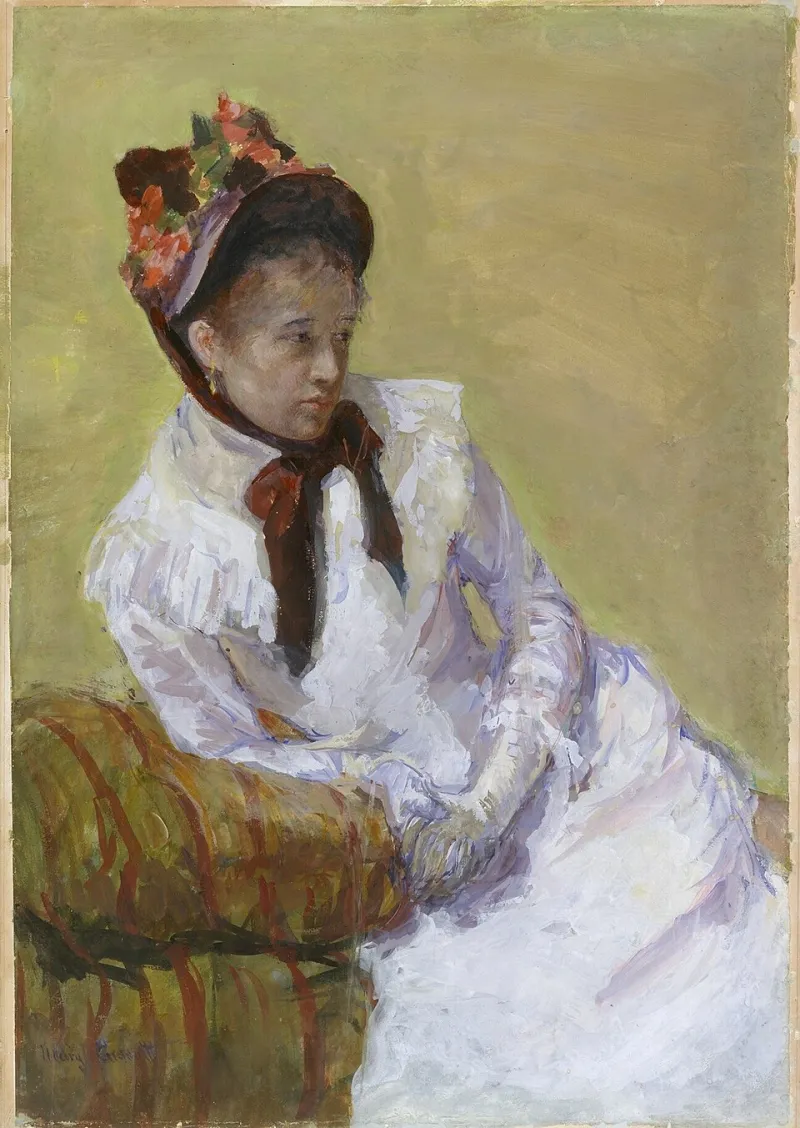
Photo: Mary Cassatt, Public domain, via Wikimedia Commons
The offer was simple, and that simplicity is what made people suspicious. I would paint your portrait — oil on linen, the same materials I use for gallery work — and you would owe me nothing. No fee, no print run, no licensing. The painting would be yours, and I would never ask to sell it.
I posted the offer in community groups in three states: Ohio, New Mexico, and Mississippi. I asked specifically for people who had never owned an original artwork. Within a week, I had more than two hundred responses. I chose thirty, trying to spread them across professions that keep this country running at hours most of us never see.
The First Sitting Happens at a Kitchen Table
A dialysis nurse in Youngstown sat for me on her day off, still in scrubs because she'd come straight from a twelve-hour shift to pick up her grandson. She kept apologizing for looking tired. I told her the tiredness was the subject — that I had spent years painting commissioned portraits of executives who paid me to erase exactly what she was apologizing for.
She was quiet for a long moment. Then she said something I have carried into the studio every day since: "Nobody's ever thought I was worth looking at that long."
A portrait takes forty hours, give or take. That is forty hours of sustained attention directed at one human face. In ordinary American life, we almost never receive that. We are glanced at, scrolled past, processed. The portrait sitters I worked with kept mentioning the strangeness of being studied — and the stranger strangeness of being studied by someone who wanted nothing from them.
The Transaction Was Always the Point
I have painted for money for most of my career, and I do not apologize for it. But the invoice, I realized, performs a kind of erasure of its own. When a collector buys a portrait, the painting becomes an asset. When a gallery sells one, it becomes inventory. The person in the frame becomes a subject, in both senses of the word.
Removing money did not remove the transaction, exactly — it changed what was exchanged. The trucker who sat for me in Albuquerque paid me in stories: four decades of cross-country hauls, the routes he knew by the color of the barns along them. A night-shift cook in Biloxi fed me red beans and rice before every sitting and refused to discuss it as payment, though we both knew it was.
What I was actually trading was evidence. Thirty people now hold material proof that they existed, that someone thought their face deserved forty hours of pigment and linseed oil. That is not a small thing in a country where the default portrait of working people is statistical.
Who Gets to Own Original Art
The question underneath the whole month was blunt: why does an original painting cost more than most Americans spend on rent? I know the economics. I also know that the answer has become a wall. Walk into any home in the neighborhoods where my sitters live and you will find photographs, sometimes beautiful ones — but almost never a painting, because the market decided long ago that painting is for the people who already have everything else.
A gallery owner I respect told me the experiment was sentimental. Perhaps. But sentimentality is often just a word for obligations the market refuses to price.
What I Kept
I kept nothing physical from the month — the paintings all left my studio, which was the point. What I kept was harder to frame. I kept the knowledge that the gift does something the sale cannot: it dissolves the hierarchy between artist and subject. These were not clients. They were collaborators who happened to be strangers on the first day and something closer to family by the last sitting.
I also kept a resolve to build the free-commission month into my practice permanently, one portrait per season, chosen the same way — by need, not by network. The art world runs on proximity and pedigree. This was my small counterargument, painted in oil, given away thirty times.
The last sitter, the Biloxi cook, asked me why I'd done it. I told her the truth: that I have spent twenty years deciding whose faces belong in paint, and I wanted to know what would happen if I stopped deciding and simply started asking. What happened was thirty faces I will never forget, hanging in thirty homes where no painting had ever hung before.