Booth Fees and Small Mercies: Two Years of Selling Paintings Out of a Suitcase
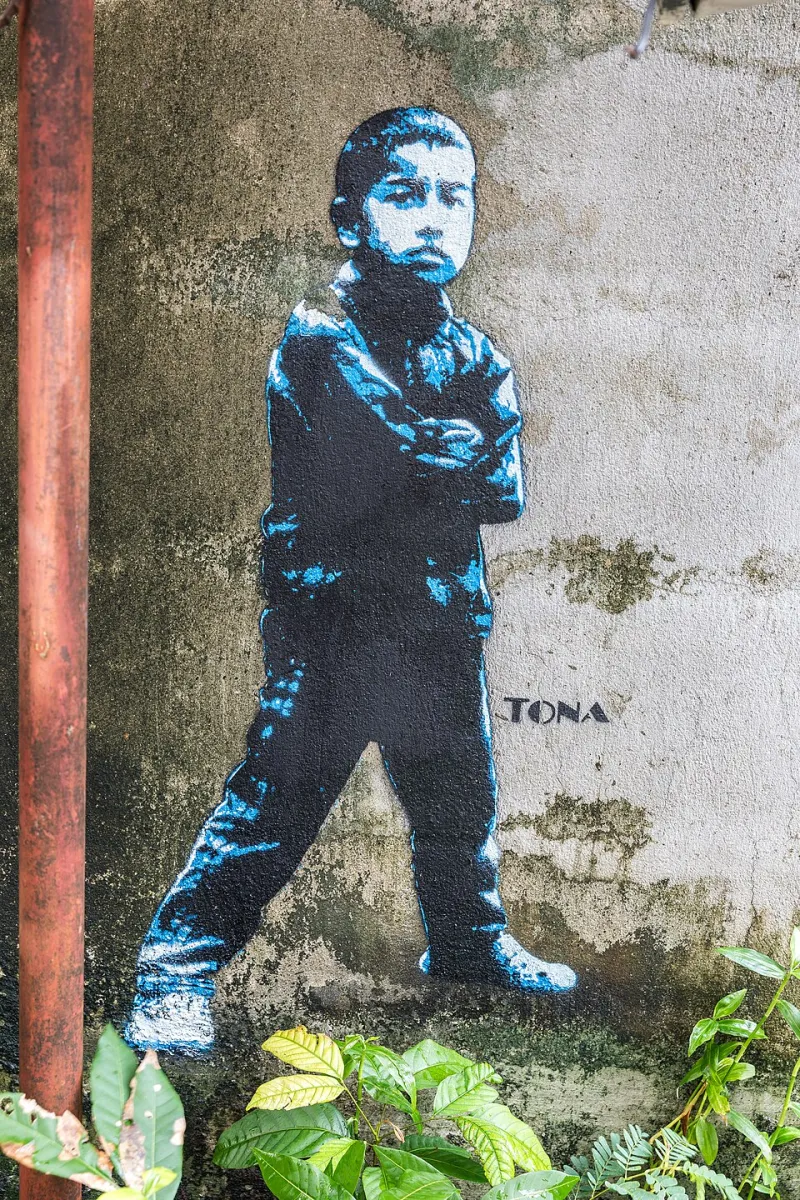
Photo: Tona, CC BY-SA 4.0, via Wikimedia Commons
The Arithmetic Before the Art
Every fair begins the same way: with a number that has nothing to do with painting. Booth fee, application fee, jury fee, hotel, van rental, insurance rider. Before a single canvas is hung, I am usually out $1,800 to $3,200. Over two years and twenty-two fairs — from Santa Fe to Miami, Chicago to Scottsdale — my ledger says I spent just under $61,000 to earn just over $79,000. That is the whole business, stated plainly. The margin between those two figures is my rent, my pigment, and the reason I keep a day-longer cushion in my checking account than most people would consider rational.
I keep the spreadsheet open while I paint now. It is not romantic, but neither is a storage unit full of unsold canvases, which is the alternative to paying attention.
What Actually Leaves the Booth
Here is the pattern no one warns you about: the paintings I agonized over — the large ones, the difficult ones, the ones I would defend in an argument — came home with me. Almost always. What sold were the small works, priced between $180 and $600, that I made in batches, sometimes grudgingly, in the weeks before a fair. A collector in Denver bought a nine-by-twelve study I had painted in an afternoon and forgotten. She stood in front of it for eleven minutes. I timed it, out of a kind of despair that turned out to be misplaced.
There is a lesson in that, and I have tried not to learn it cynically. Small work is a low-risk introduction to your hand. A stranger at a fair is not buying a painting; they are buying the feeling of having recognized something. My job is to make that recognition possible at every price point, not to stage a retrospective in a ten-by-ten booth.
The Fairs That Paid and the Ones That Taught
Not all venues are created equal, and the difference is rarely the jury. My best weekends, measured in net revenue, were the mid-sized regional fairs: the Plaza Art Fair in Kansas City, the Ann Arbor Street Art Fair, the Northern Virginia fine art shows. Attendance numbers matter less than the temperament of the crowd. A fair where people come to buy a first original painting will outperform a marquee event where they come to be seen looking.
Miami was my most expensive education. Between booth fee, lodging, and shipping, I lost roughly $2,400 — and gained a clearer understanding of my actual market than any profitable weekend had given me. I paint intimate, memory-driven work. Miami in December wants spectacle and scale. Knowing that is not defeat; it is calibration.
The Collector's Side of the Table
If you buy at fairs, here is what your money is doing. When you purchase a $400 piece directly from the artist, roughly $300 of it stays with them after fees. That is more than they would keep from the same sale through most galleries. You are not getting a discount from the art world; you are shortening its supply chain.
And ask questions. The artists who seem guarded are usually exhausted — we drive twelve hours, sleep in motels, and then perform approachability for three days. The painting you love likely has a story. Most of us will tell it if you give us a second to come back to earth.
Two Years In: The Honest Ledger
Would I recommend the circuit? Conditionally. It works if your work can be produced in volume without becoming volume — if the small pieces still carry the same pulse as the large ones. It fails if you need the large ones to sustain you, because the fair economy does not reward ambition on that scale.
I still paint big. I just fund the big ones with the small ones, and I have stopped pretending that arrangement is anything other than what it is: a working artist's compromise, made gladly, one weekend at a time.