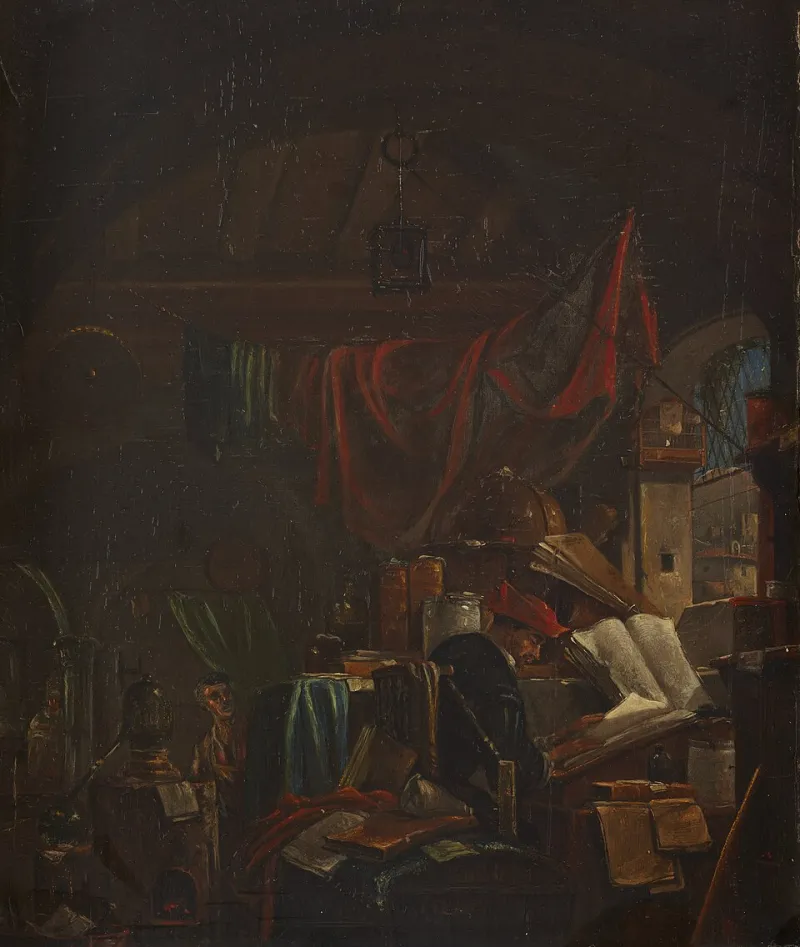
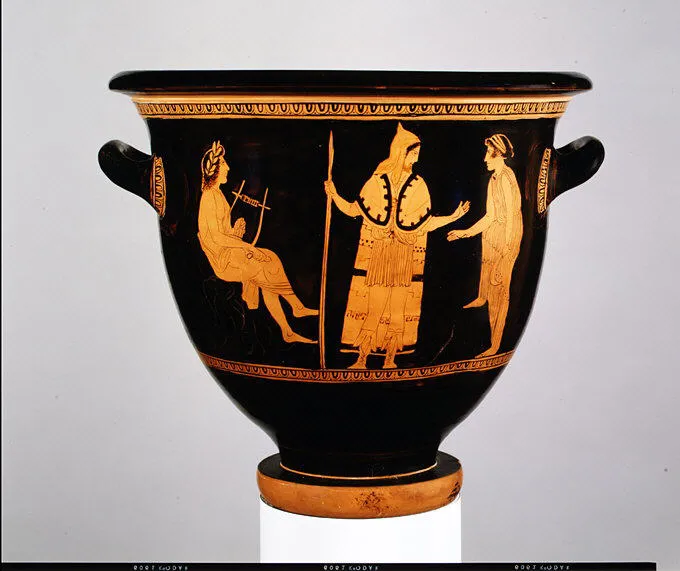
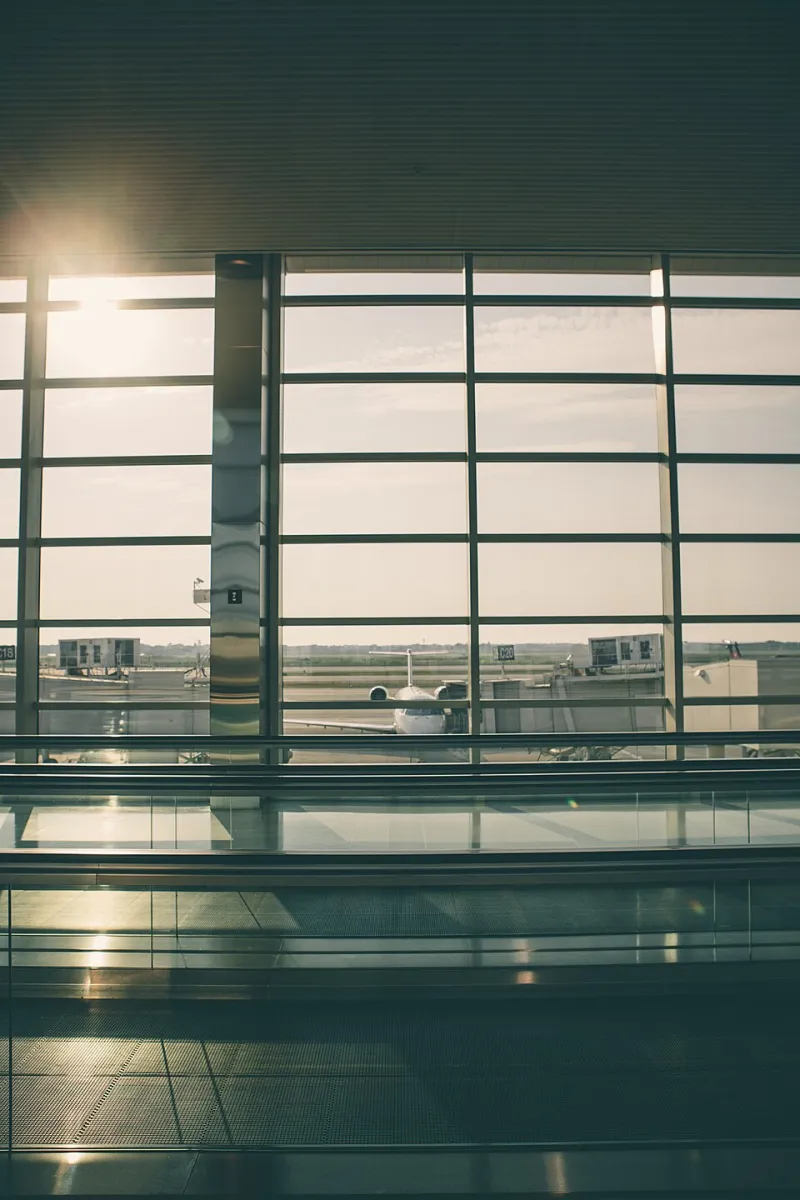
After the Red Dot: Where My Paintings Go When They Stop Being Mine
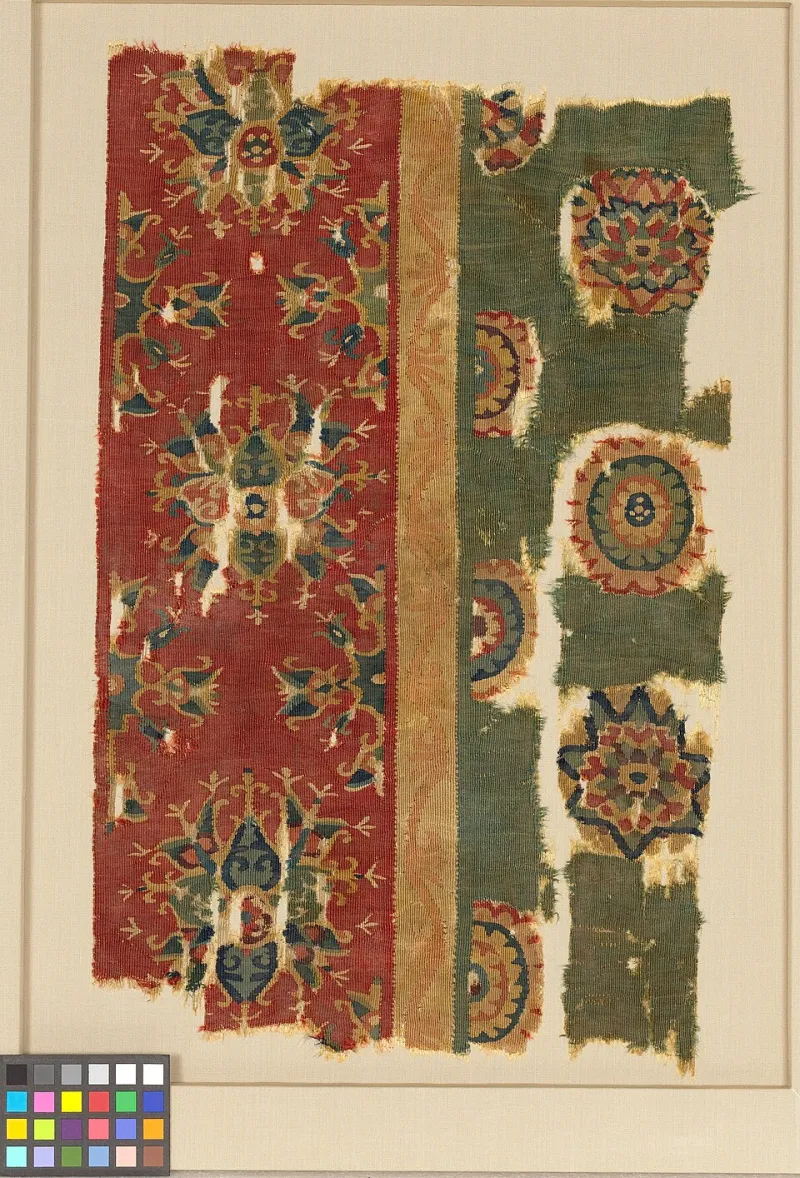
Photo: Unknown authorUnknown author, CC0, via Wikimedia Commons
There is a particular silence that follows a sale. The gallery sends the email, the invoice is paid, and the painting — the one I mixed colors for at midnight, the one that survived three repaintings and one small crisis of faith — is wrapped, crated, and gone. People assume the hard part is selling. For me, the hard part is the morning after, when I walk into the studio and the wall where the painting hung is suddenly, loudly empty.
I have started following my paintings after they leave. Not literally, of course. But collectors, when they are generous, send photographs. Sometimes they send stories. And those photographs have taught me more about what my work means than any opening night ever did.
The Walk-Up in Brooklyn
The first painting I ever sold to a stranger went to a woman named Ruth, a schoolteacher who lived in a fourth-floor walk-up in Cobble Hill. She paid in installments, which took her the better part of a year, and I remember being embarrassed by the smallness of the amounts until I realized she was budgeting for it the way other people budget for a trip abroad.
Eight months later she sent me a photograph. The painting hung above a radiator, slightly crooked, beside a bookshelf stacked with paperbacks and her son's Little League trophy. The light in the photograph was the warm, uneven light of an apartment that is genuinely lived in.
I confess: my first reaction was not joy. The crooked frame bothered me. The radiator bothered me. I had imagined the painting in a white room, spot-lit, given the reverence it received in my studio. Then I looked longer. The painting had a home. It was collecting dust and sunlight and the small vibrations of a family's ordinary days. Ruth later told me her son used it as a landmark for telling stories. That, I decided, was a better exhibition than any I could have mounted.
The Lobby
Not every painting lands so softly. A corporate buyer — a firm with offices in Dallas and a lobby that could swallow my entire studio — purchased a large canvas through their art consultant. I never learned the name of the employee who chose it, never saw the wall it hangs on. I received a certificate of provenance, a form letter of thanks, and a wire transfer.
For a long time I thought of that painting as lost. It existed, as far as I knew, as a line item, a deduction, a piece of the interchangeable décor that makes lobbies feel expensive. A friend who works in that building finally sent me a photo, taken casually while waiting for a visitor. There it was: my painting, between two elevators, reflecting the fluorescent gloss of a thousand commutes.
Something shifted when I looked at it. Those thousand commutes pass my painting every day. Someone, eventually, stops. Someone always stops. A painting in a lobby works a strange shift — it is seen unglamorously, by people who did not choose it, and yet it interrupts their routine with color they did not ask for. I have made peace with that. Mostly.
The Storage Unit
The third afterlife is the one that troubles me most. A collector in the Midwest, a kind and serious man, buys my work regularly and stores nearly all of it. Climate-controlled, insured, catalogued — and unseen. He considers himself a steward; he speaks of eventual donation to a museum. I believe him. But when I imagine my paintings in the dark, stacked in their crates, I think of letters sealed and never sent.
And yet. He said something once that I have not been able to shake: "Paintings can wait. They're more patient than we are." There is a strange comfort in that. A painting in storage is not dead; it is dormant, waiting for a wall not yet built, a viewer not yet born.
What I Owe Them
Here is what following my paintings has taught me: once a work is sold, it belongs to the world of radiators and elevators and dark rooms, and my job is to release it without conditions. The grief is real — every artist knows it — but so is the relief. The painting no longer needs me to defend it or finish it. It goes on being looked at, or waiting to be looked at, in rooms I will never enter.
I make the work. Then, like everything else we love, it leaves home. The red dot is not an ending. It is a door.