Eight Seconds of Attention: Notes From a Month of Painting Where Strangers Walk
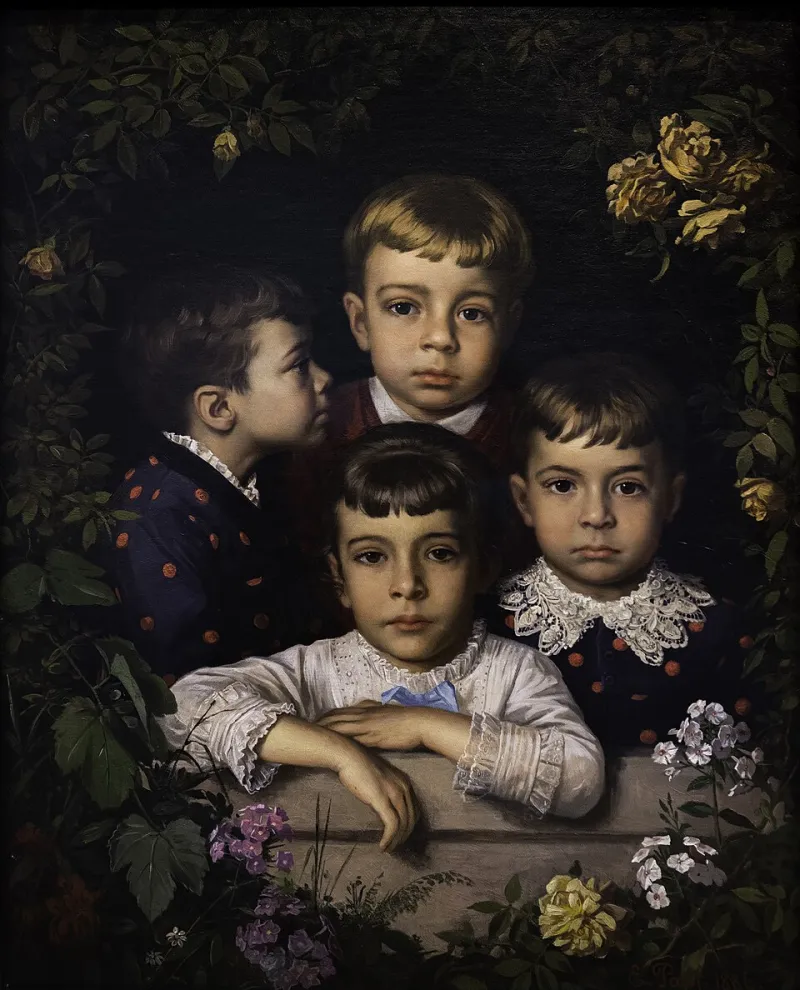
Photo: Karl Ernst Papf, Public domain, via Wikimedia Commons
The Easel as an Open Door
The first morning I carried my French easel into Union Square, I felt like a fraud. I had spent years cultivating a studio practice built on silence — the closed door, the unanswered phone, the long hours in which a painting only had to answer to me. Now I was proposing to do the opposite: to paint where anyone could stop, stare, comment, and leave, all before the wash on my brush had dried.
I gave myself a rule. Thirty days, weekdays, weather permitting, in public spaces around the city. I would paint what was in front of me and I would not hide the doing of it.
What I did not anticipate was how quickly the easel would stop being furniture and start being a stage.
The Eight-Second Viewer
A museum curator once told me the average visitor gives a painting about eight seconds before moving on. In Union Square, I got eight seconds whether I wanted them or not. People were walking somewhere. They had groceries, meetings, a dog pulling at the leash. My painting had to make its case in the time it took them to pass a hot dog cart.
This changed how I worked within a week. Compositions simplified. Value structures got bolder. I began finishing passages in single decisive sessions rather than revisiting them over days, because there was no guarantee I would feel the same tomorrow, and the audience of this hour deserved a painting that matched this hour.
I am not saying this made the work better. I am saying it made the work more honest about its own conditions.
Unsolicited Critique, Delivered Free of Charge
Every art school has a crit. The city has something more brutal and more useful: total candor from people with nothing invested in your feelings.
A man in a hard hat told me my sky was too purple for October. A nine-year-old explained, correctly, that I had lost the drawing in the figure's shoulder. A woman who identified herself as a retired art teacher stood for fifteen minutes in silence before saying only, "You're overworking the water," and walking away. She was right. I scraped it back that night.
The studio offers no such honesty. In the studio, I negotiate with myself, and I always win. On the sidewalk, the verdict arrives in real time, from strangers who owe me nothing.
The Economics of the Sidewalk
By the second week, commissions began. A couple wanted their terrier painted from a phone photo. A man asked whether I could reproduce his childhood home in Beirut from a description he would give me verbally. I said yes to some things and no to others, and I learned that painting in public collapses the distance between artist and marketplace in ways that can be exhilarating and exhausting in the same hour.
There is a strange vulnerability in quoting a price while standing next to the evidence of your labor. The work is right there, wet, imperfect, mid-sentence. Nobody in a gallery ever watched me make the thing they were considering buying.
What the Month Gave Back
I went looking for interruptions and found them, dozens a day. But the deeper discovery was that the interruptions were the material. The painting of the square now contains, for me, the voice of the man who sang opera two feet from my canvas, the pigeons, the argument about parking, the child who stood so long her mother had to come find her.
I still keep a closed studio door. But I no longer believe the work has to be made in secrecy to be sincere. Some paintings want witnesses.